16 August 2025
 Share
Share
1
Binance futures has become one of the most popular platforms for cryptocurrency traders in 2025, offering a wide range of tools for both beginners and professional traders. As the crypto market evolves, futures trading has gained significant attention due to its potential for high leverage, advanced trading strategies, and the ability to profit in both rising and falling markets.
Binance futures allows users to trade contracts rather than directly owning cryptocurrencies, meaning traders can speculate on the price movement of assets such as Bitcoin, Ethereum, and other altcoins.
One of the core features of Binance futures is leverage, which allows traders to open positions larger than their account balance. While leverage can amplify profits, it also increases the risk of losses and liquidation. Understanding concepts such as margin, liquidation price, cross margin, and isolated margin is crucial for successful trading. Futures traders must also pay attention to funding rates and other derivative-specific mechanisms that affect profitability.
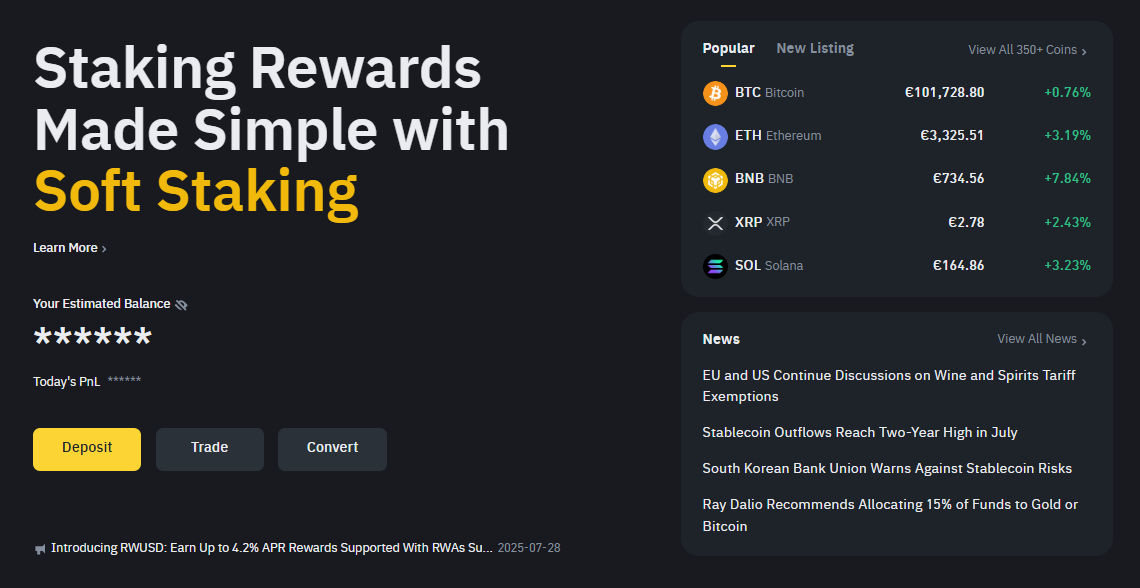
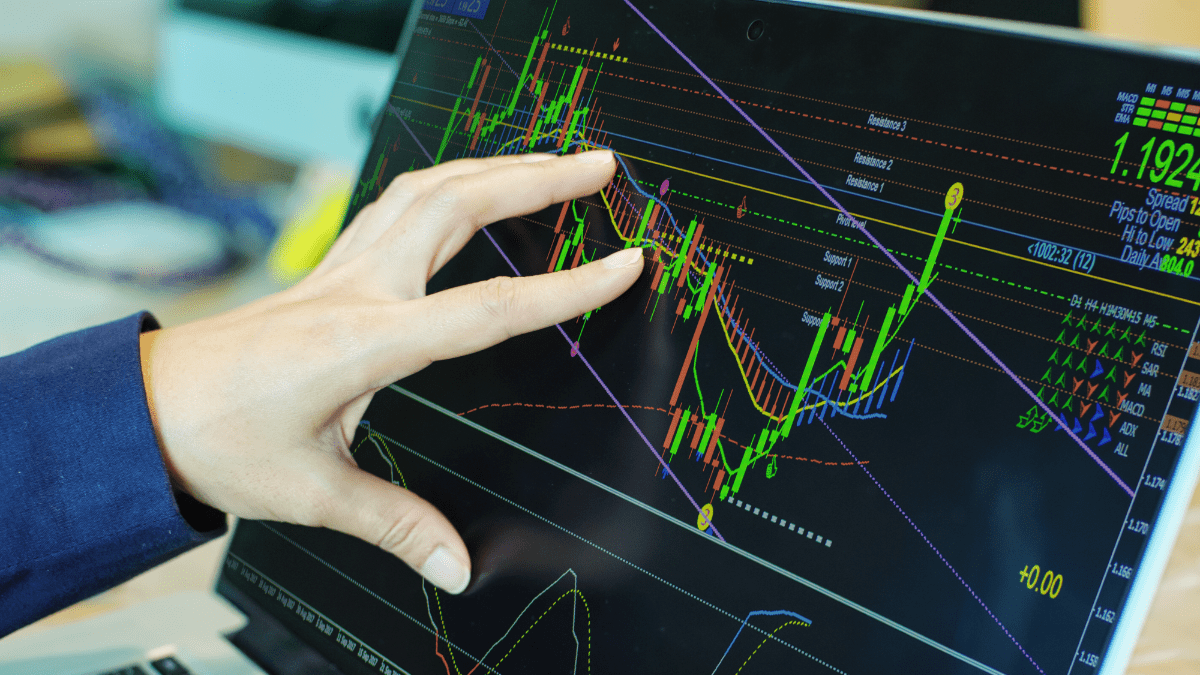
Binance futures provides a robust interface, real-time charts, and a variety of order types to support complex trading strategies. It also offers risk management tools, including stop-loss and take-profit orders, to protect capital during high volatility periods. However, futures trading comes with significant risks, and beginners must carefully manage positions to avoid unexpected liquidations.
In this article, we explore Binance futures in depth, detailing how it works, key terms, advantages, drawbacks, and practical tips to optimize trading performance in 2025.
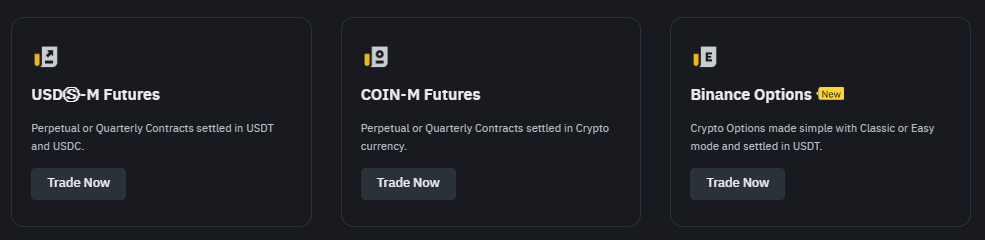
Binance futures allows traders to buy and sell contracts representing cryptocurrencies rather than holding the actual assets. The platform supports:
Trade Binance futures and maximize crypto opportunities
A crucial aspect of Binance futures is leverage, which enables traders to amplify their position size. For example, using 10x leverage, a trader can control $10,000 worth of contracts with just $1,000 in margin.
While this increases potential profits, it also increases the risk of liquidation, where the platform automatically closes a losing position to prevent further loss. To manage this risk, traders must understand liquidation price, the specific price at which their position will be closed automatically.

The liquidation price depends on leverage, position size, and account margin. For example, higher leverage positions have a tighter liquidation range, making them riskier but more profitable if successful. Binance futures provides real-time calculations and alerts to help traders track liquidation risk and adjust positions accordingly.
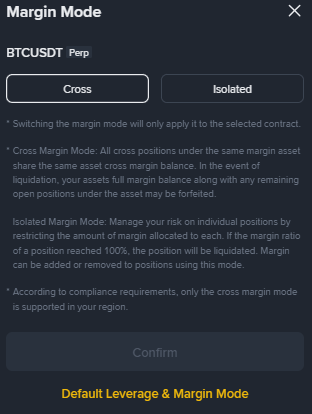
Traders can choose between cross margin and isolated margin modes.Understanding these modes is essential for effective risk management:
Binance futures also incorporates funding rates, which are periodic payments exchanged between long and short position holders to maintain the contract price close to the spot market. Funding rates can influence profitability, particularly in high-leverage strategies, and must be considered when holding positions long-term. Additionally, the platform offers various order types, including market, limit, stop-limit, and trailing stop orders, giving traders flexibility to execute strategies efficiently.
Trade with max 125x leverage on Binance now
Understanding the advantages and drawbacks of Binance futures is essential for any trader considering entering the derivatives market.
Pros:
Cons:
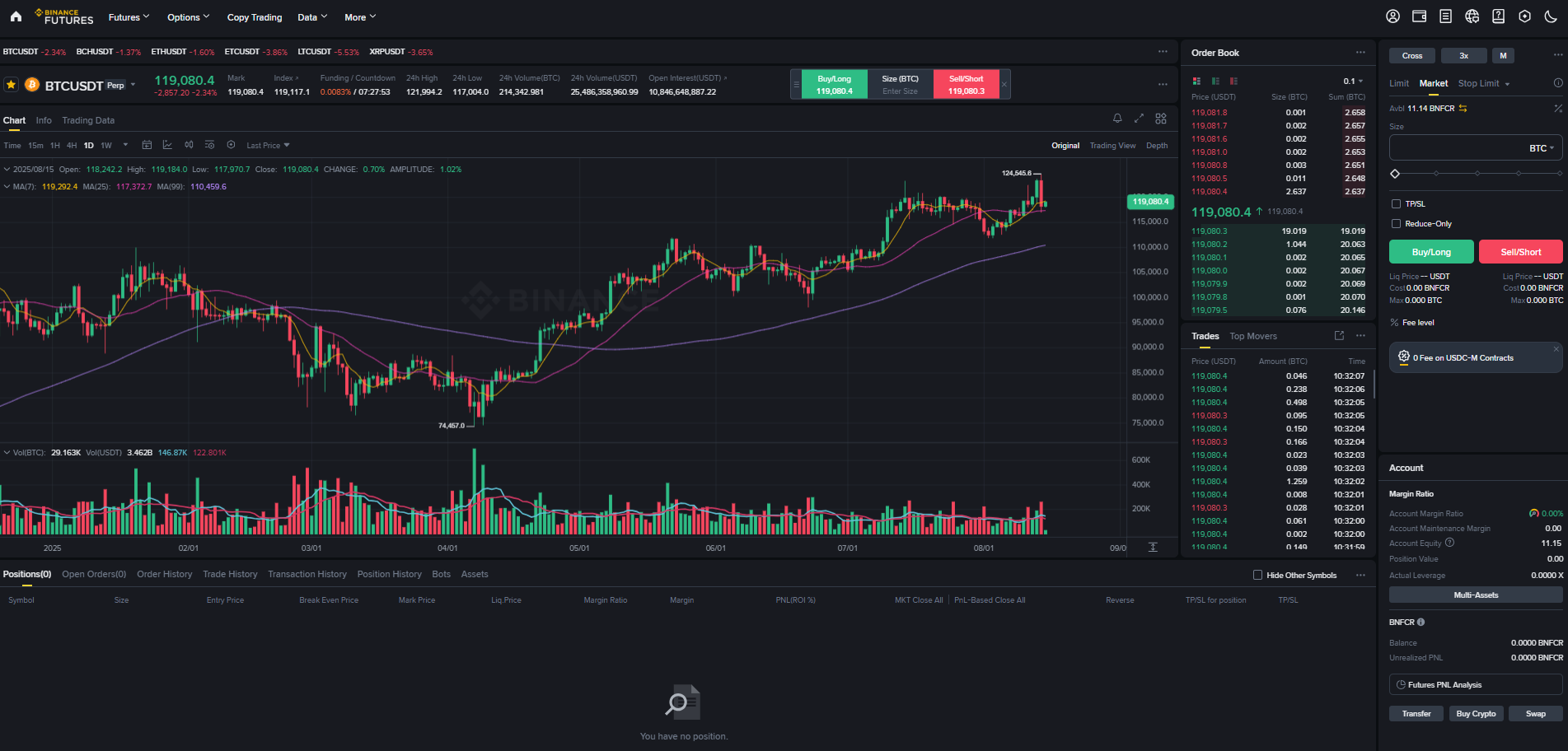
Discover Binance futures and grow your portfolio
Binance futures in 2025 continues to evolve with new features, including improved risk calculators, AI-driven trading signals, and educational resources for traders. Understanding the platform’s mechanics, margin structures, and key terms is essential to navigating futures trading safely and effectively.
Get 100 $ bonus on Binance for free
According to Binance’s official fee schedule for USD-M Futures, trading fees are tiered based on your 30-day trading volume and VIP level. For standard users, the maker fee is 0.02%, and the taker fee is 0.05%. These fees can be reduced by holding BNB and participating in the VIP program.
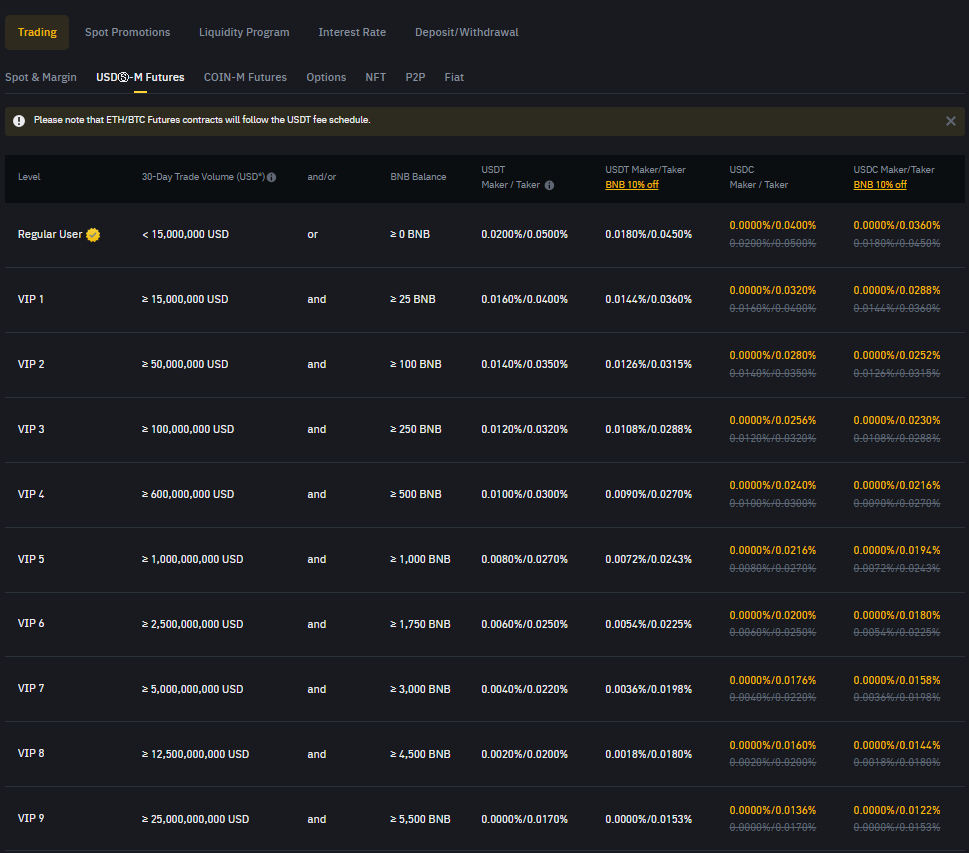
Additionally, Binance charges a funding fee for perpetual contracts, which is exchanged between long and short position holders to keep the contract price close to the spot price. The funding rate is updated every 8 hours and can be positive or negative, depending on market conditions.
For the most accurate and up-to-date information on fees, it’s recommended to visit Binance’s official fee schedule page.
Amplify profits with Binance futures contracts
Trading Binance futures is designed primarily for advanced traders who understand leverage, margin, and the risks of liquidation. While futures offer opportunities for amplified profits, they also carry significant potential losses, especially with high leverage or volatile markets.
Beginners must exercise extreme caution and avoid overexposure to single positions. Proper risk management, including using stop-loss orders, monitoring funding rates, and selecting appropriate margin types, is essential.
At the same time, Binance futures can be a powerful tool for experienced investors. They allow sophisticated hedging strategies, portfolio diversification, and opportunities to profit from both rising and falling markets.
By carefully managing leverage and understanding contract mechanics, investors can enhance returns while controlling risk. With proper knowledge and strategy, futures trading becomes a valuable addition to an investor’s toolkit rather than just a speculative activity.