05 September 2025
 Share
Share
1

Halving is one of the most important events in the Bitcoin ecosystem, occurring approximately every 4 years. This event reduces the block reward miners receive by 50%, effectively limiting the creation of new Bitcoin and controlling inflation within the network. Unlike traditional currencies, Bitcoin has a fixed supply capped at 21 million coins. The halving mechanism ensures that this limit is approached gradually, creating a predictable scarcity that many investors and analysts monitor closely.
For miners, halving presents both challenges and opportunities. The reduction in block rewards can decrease profitability, especially for those with higher operational costs or less efficient mining equipment. On the other hand, halving events often generate market excitement and can lead to increased demand as traders anticipate future price rises due to reduced supply growth. Historically, halvings have been linked with significant price movements, but these changes are not instantaneous and depend on market sentiment, adoption trends, and broader economic conditions.
The concept of halving is also integral to Bitcoin’s economic design, fostering long-term stability. By systematically reducing the rate at which new coins enter circulation, halving events create a deflationary pressure that contrasts sharply with fiat currency systems where central banks can print unlimited amounts of money. For investors, understanding the mechanics and timing of halving is essential for strategic decision-making. Awareness of its effects on supply, miner incentives, and market psychology provides a comprehensive picture of how Bitcoin evolves over time.
In the following sections, we will delve deeper into the mechanics of Bitcoin halving, its historical impacts on price, and how it shapes future supply and market behavior.
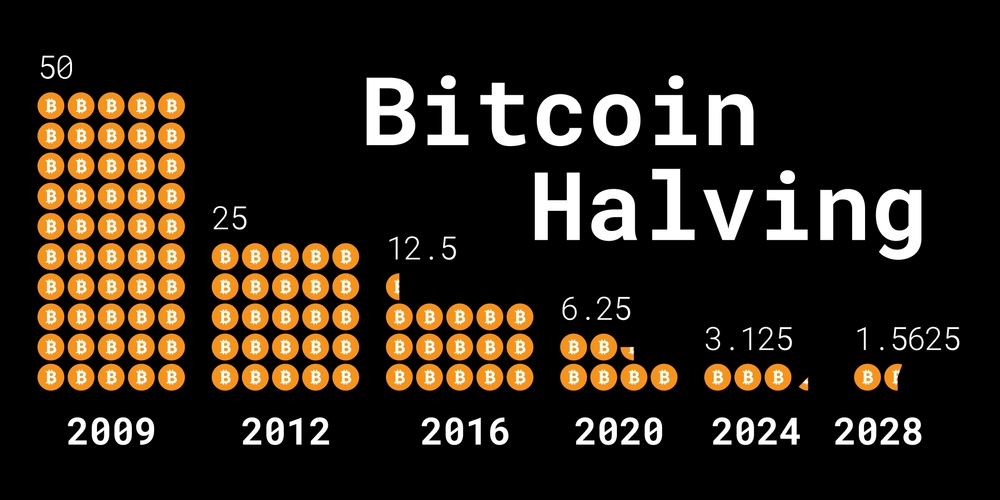
Bitcoin halving is a predefined event embedded in the Bitcoin protocol. When Satoshi Nakamoto designed Bitcoin, one of the key goals was to simulate scarcity, similar to precious metals like gold. To achieve this, the reward miners receive for validating transactions on the blockchain is halved approximately every 210,000 blocks, or roughly every 4 years. Initially, miners earned 50 BTC per block in 2009. The first halving in 2012 reduced this reward to 25 BTC, the second in 2016 to 12.5 BTC, and the third in 2020 to 6.25 BTC. The next halving, expected in 2028, will reduce the reward further to 1.5625 BTC per block.
The halving process ensures a predictable and decreasing supply of new Bitcoin. This scarcity mechanism is critical because Bitcoin has a maximum supply of 21 million coins. By gradually reducing the mining reward, Bitcoin maintains a controlled rate of inflation, which contrasts with traditional fiat currencies that can be printed in unlimited quantities. This design aims to preserve the value of Bitcoin over time, making it a potential hedge against inflation and currency devaluation.
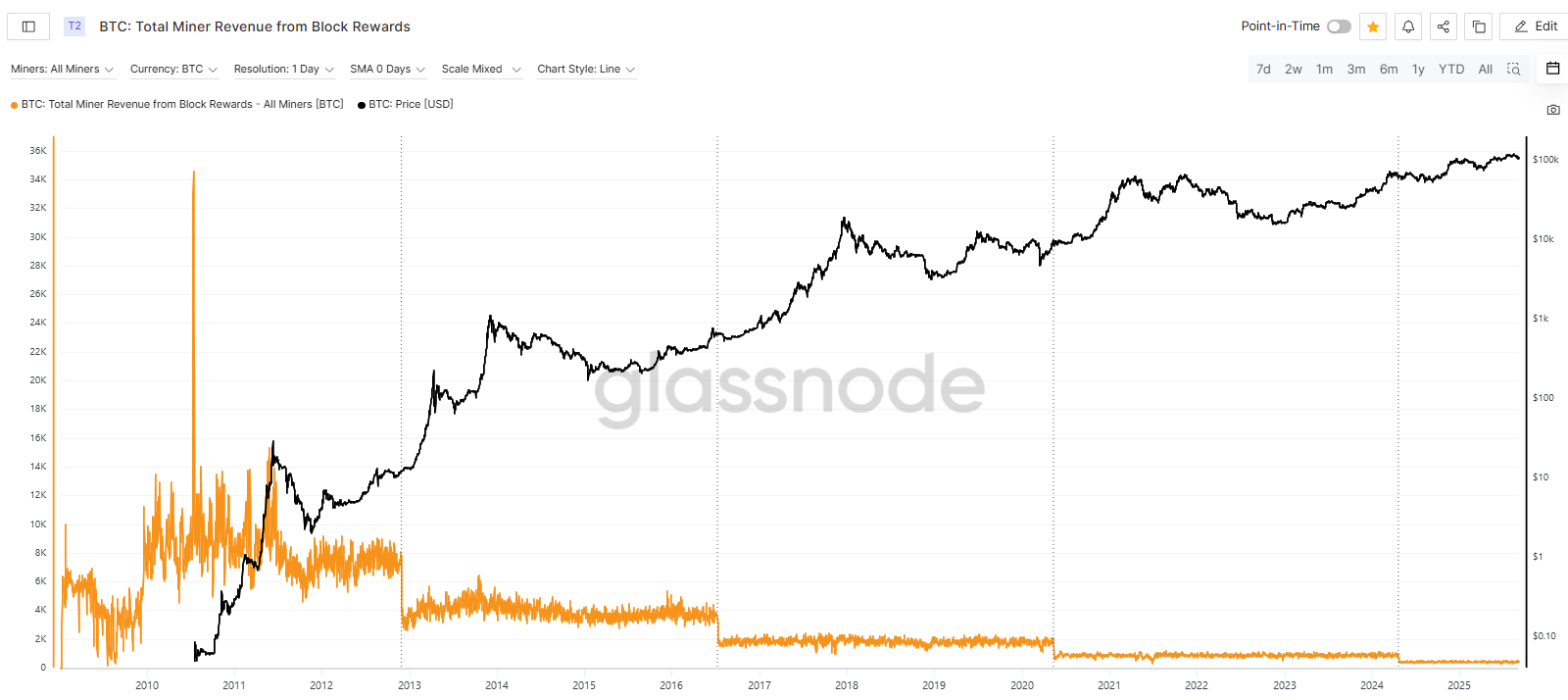
Mining economics are directly affected by halving. As rewards decrease, miners need to consider the balance between electricity costs, mining hardware efficiency, and Bitcoin’s market price. Some miners may temporarily exit the network if it becomes unprofitable, which can affect the network’s hash rate and security. However, historically, halving events have often led to an increase in Bitcoin’s price as reduced supply meets constant or rising demand, incentivizing miners to continue operations despite lower rewards.
Get 100 $ bonus on Binance right now
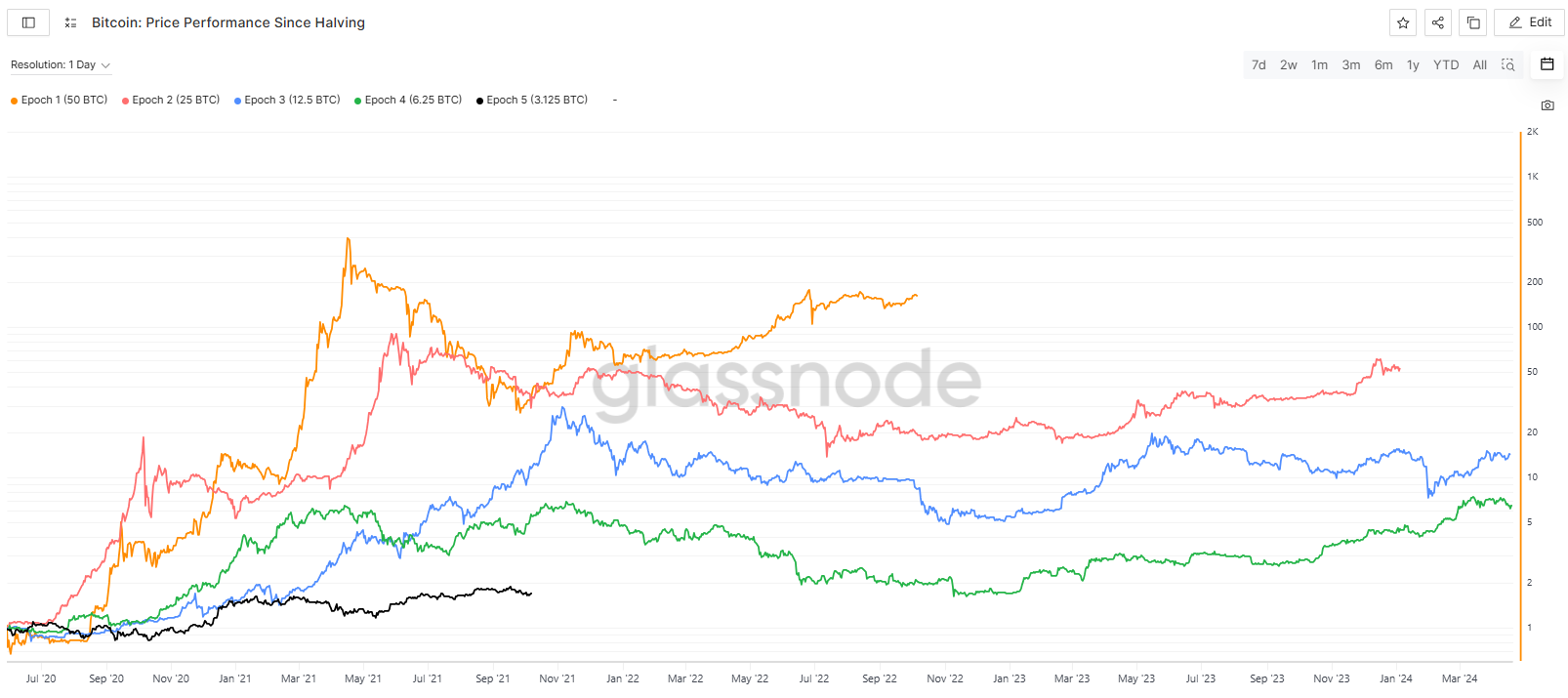
Bitcoin halvings have historically coincided with notable price movements, though the effects are often delayed and influenced by broader market conditions.
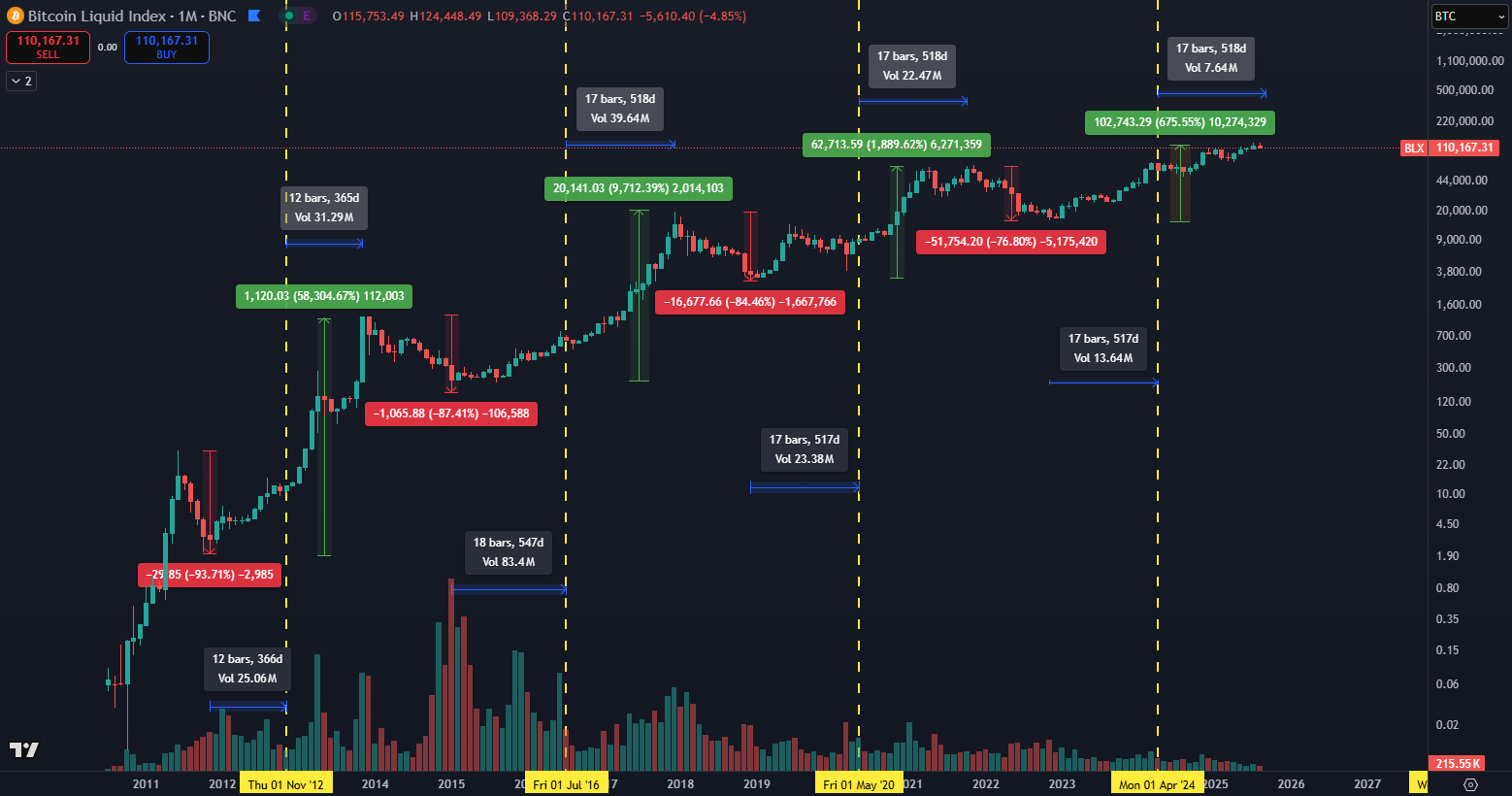
Several factors contribute to these post-halving price trends:
It’s important to note, however, that halving alone does not guarantee a price surge. External factors such as regulatory changes, macroeconomic conditions, and technological developments also heavily influence Bitcoin’s value. For instance, global economic uncertainty or shifts in monetary policy can accelerate or dampen post-halving price movements. Therefore, while historical data suggest a positive correlation between halving and price appreciation, investors should approach predictions with caution and consider a wide range of market dynamics.
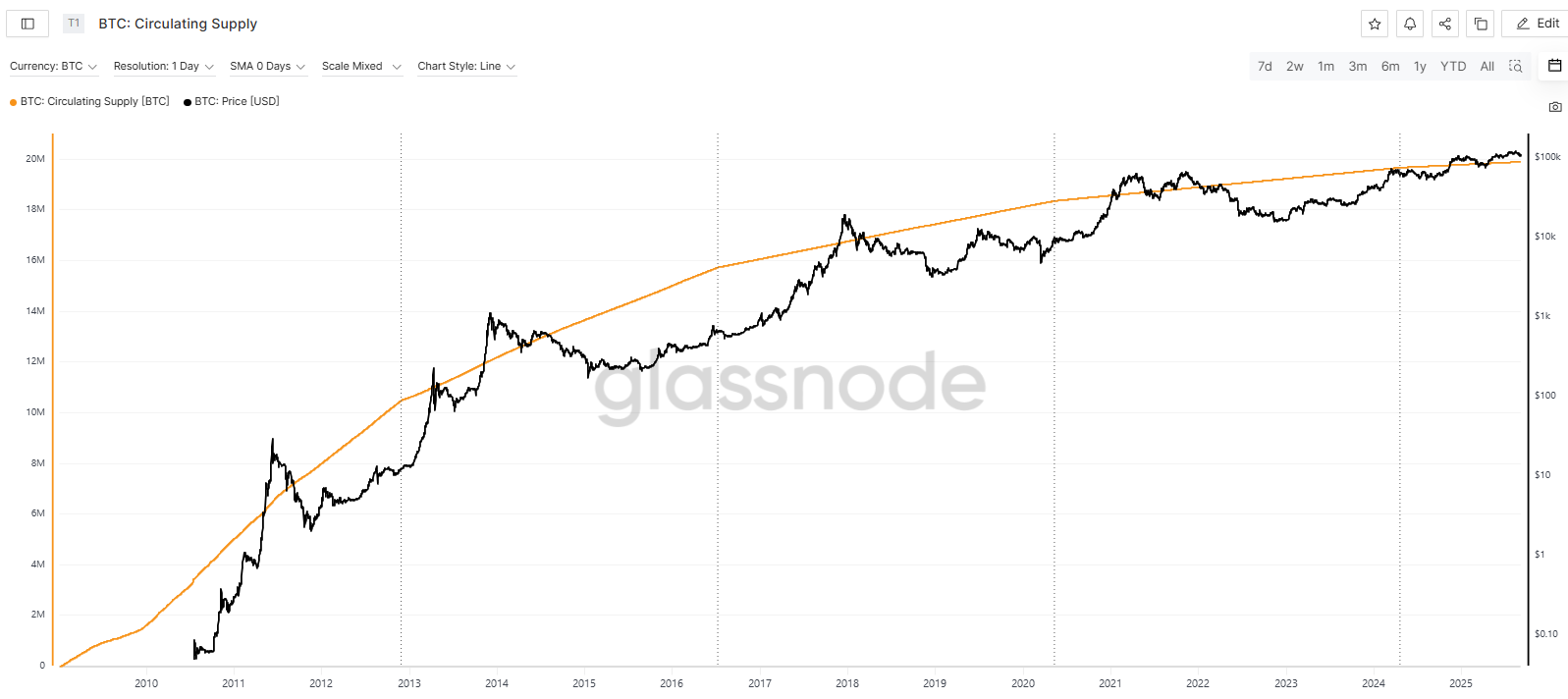
The primary purpose of halving is to manage Bitcoin’s supply. By reducing block rewards over time, the protocol ensures that the maximum supply of 21 million coins is never exceeded. Currently, about 19.91 million Bitcoins have already been mined, leaving more than 1 million yet to enter circulation. As halvings continue, the rate at which new coins are introduced slows dramatically. This gradual scarcity creates deflationary pressure and can enhance Bitcoin’s appeal as a store of value.
Halving also affects miners’ behavior. Lower rewards may force less efficient miners to shut down, temporarily reducing the network’s hash rate. However, as Bitcoin prices often rise post-halving, mining can become profitable again, encouraging more participants to return. This cyclical dynamic between halving, miner incentives, and market price highlights the delicate balance in Bitcoin’s ecosystem. The reduced supply entering the market can also create long-term bullish sentiment, as investors anticipate that scarcity combined with growing demand could push prices higher over time.
Bitcoin halving events have historically created opportunities for investors to enter the market strategically. Each halving reduces the rate at which new Bitcoins are mined, effectively decreasing supply while demand continues to grow. This dynamic has, in the past, contributed to significant price increases in the months and years following halving. For both new and experienced investors, understanding this pattern can help identify a favorable entry point.
With the next halving approaching, many analysts and traders anticipate potential upward price movements. Buying Bitcoin before or shortly after a halving can allow investors to benefit from supply constraints combined with growing market interest. However, timing is critical, and investors should remain aware of broader market trends and potential volatility. Proper planning and research are essential to maximize the benefits of halving-related price dynamics.
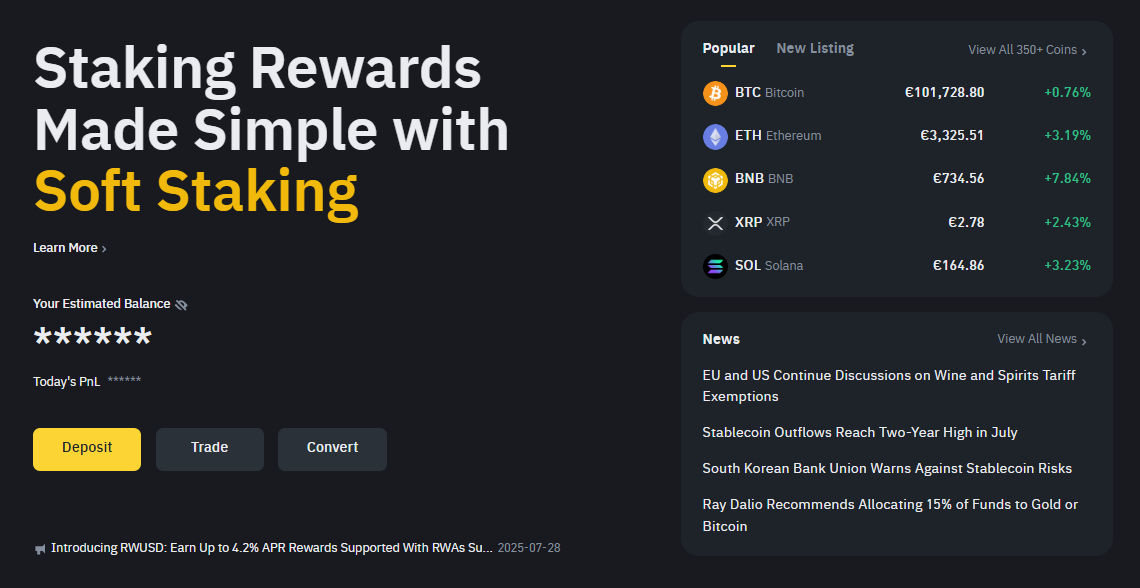
To purchase Bitcoin efficiently and securely, a reliable exchange is crucial. Binance stands out as one of the world’s leading cryptocurrency platforms, offering a user-friendly interface, advanced trading tools, and competitive fees. Binance supports a wide range of cryptocurrencies, including Bitcoin, and provides features such as spot trading, futures contracts, and staking. For investors looking to capitalize on halving trends, Binance’s extensive liquidity ensures smooth transactions, while its robust security measures protect digital assets.
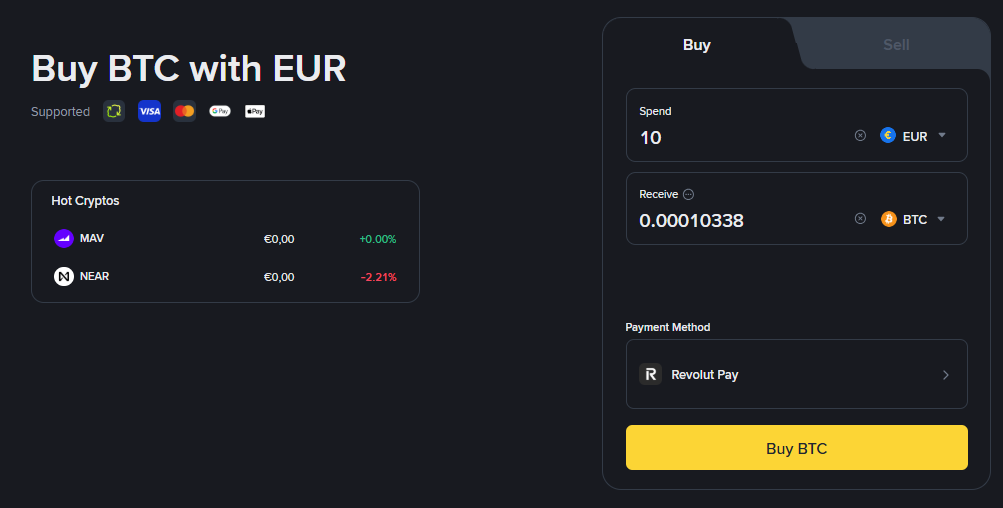
Binance advantages:
In summary, the halving mechanism creates a supply-driven opportunity for potential Bitcoin price growth. By purchasing Bitcoin on a trusted platform like Binance, investors can position themselves strategically to benefit from the reduced issuance rate while enjoying a secure and efficient trading experience.