29 September 2025
 Share
Share
1


Crypto enthusiasts and new investors often wonder how to start investing with a limited budget. Starting with $100 may seem insignificant, but it is a powerful way to build financial habits, learn market dynamics, and grow your wealth over time. The key is to approach this process methodically, ensuring that every dollar is used effectively while minimizing risk.
Many beginners make the mistake of seeking immediate returns or following hype, which often leads to losses and frustration. However, even a small amount like $100 can serve as a training ground for understanding investment strategies, building confidence, and preparing for larger investments in the future.
Investing with a small budget requires discipline, patience, and a focus on learning. Unlike large investors who can take higher risks, beginners must prioritize safe and accessible options. It is important to set clear financial goals, determine your risk tolerance, and identify suitable investment.
Starting with crypto requires more than just buying coins. It involves understanding blockchain technology, market trends, and security practices. Many newcomers are tempted by hype or social media trends, which can lead to impulsive decisions and losses. A structured approach helps ensure that your initial investment is meaningful, educational, and positioned for growth. Setting clear goals, choosing reliable platforms, and diversifying your holdings are crucial first steps.

This step-by-step guide will provide practical instructions on how to start investing with $100. You will learn how to select the right platforms, choose investment types, diversify your portfolio, and monitor growth effectively. By the end of this guide, you will be equipped with actionable knowledge to make your first $100 investment a meaningful start to your long-term financial journey.
Investing $100 in crypto requires a methodical approach to ensure both safety and learning opportunities.
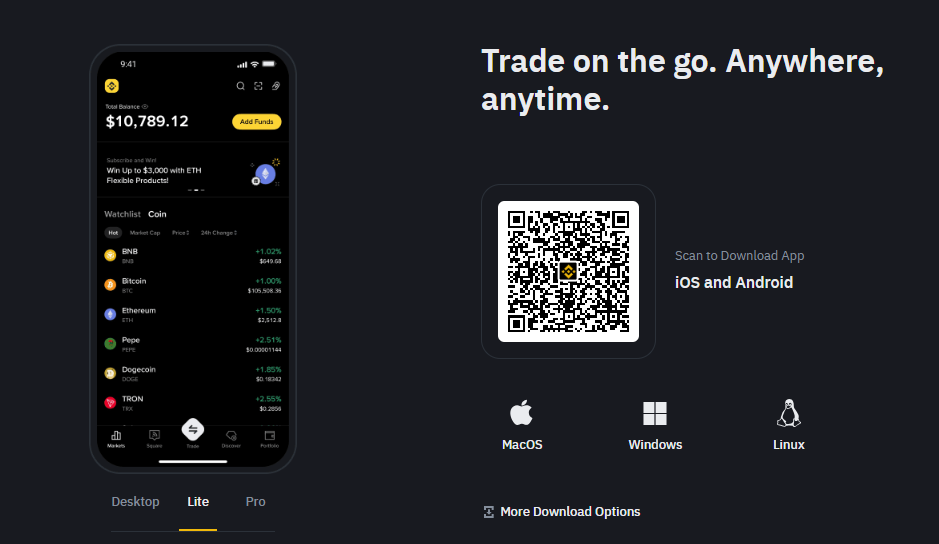
Using features like limit orders or recurring buys can help beginners invest systematically. Dollar-cost averaging is particularly effective, investing small amounts over time to smooth out market volatility. Avoid leveraging or margin trading at this stage, as these increase risk substantially for beginners.
Regularly monitor your portfolio, track performance, and resist the urge to react emotionally to short-term market movements. Crypto markets are highly volatile, and disciplined observation is key to long-term growth.
Get 100 $ bonus on Binance right now
Before investing, selecting a trustworthy crypto exchange is essential. For beginners, platforms like Binance are highly recommended due to their security, variety of assets, and educational resources. The right exchange ensures safe transactions, low fees, and access to advanced tools as your skills grow. Starting with a reputable exchange minimizes the risk of fraud and simplifies the trading experience.
Advantages of Binance for Beginners:
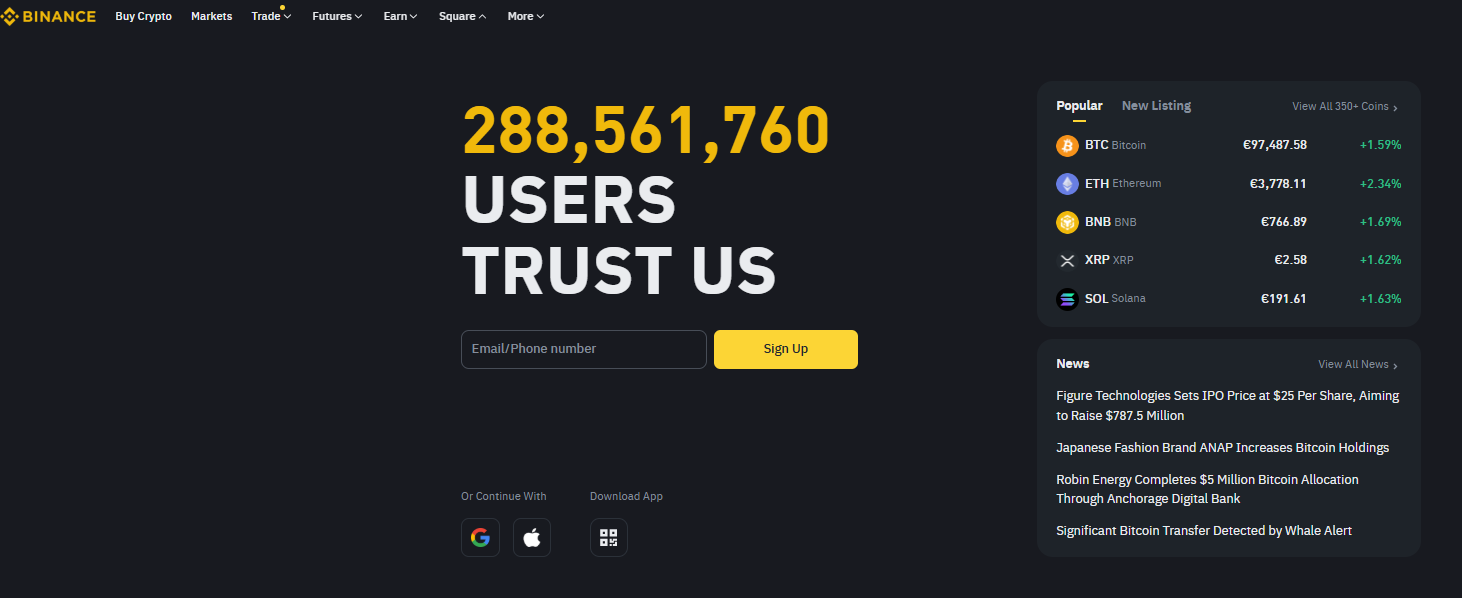
Once you choose an exchange, the next step is to fund your account. Beginners should start with a manageable amount, like $100, to experiment and learn without high risk. Using a small budget also encourages disciplined investing and realistic expectations.
Investing $100 on Binance is a practical way for beginners to enter the world of cryptocurrency. With the right strategy and careful steps, even a small amount can grow over time. This guide provides a clear, step-by-step roadmap to safely start investing and managing your first crypto portfolio:
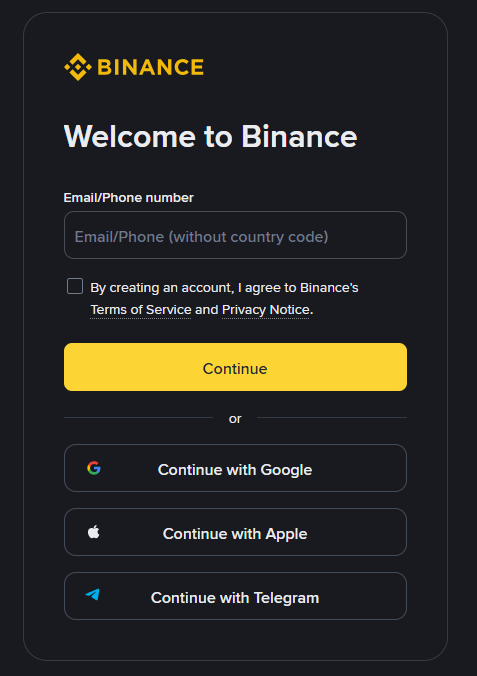
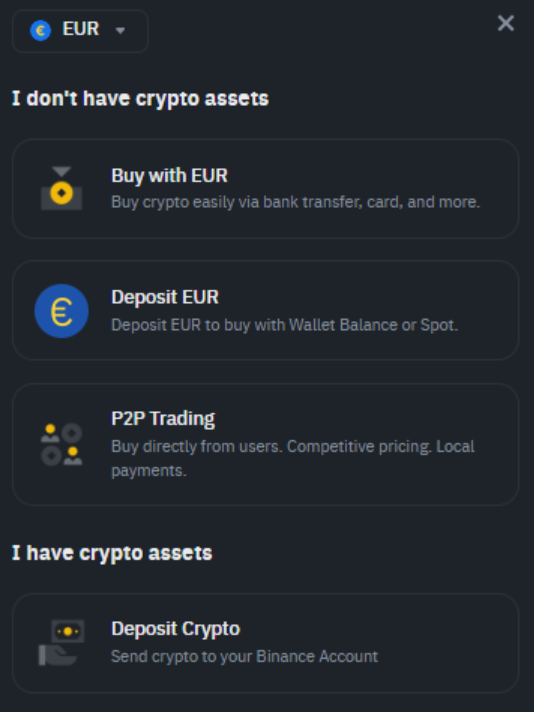
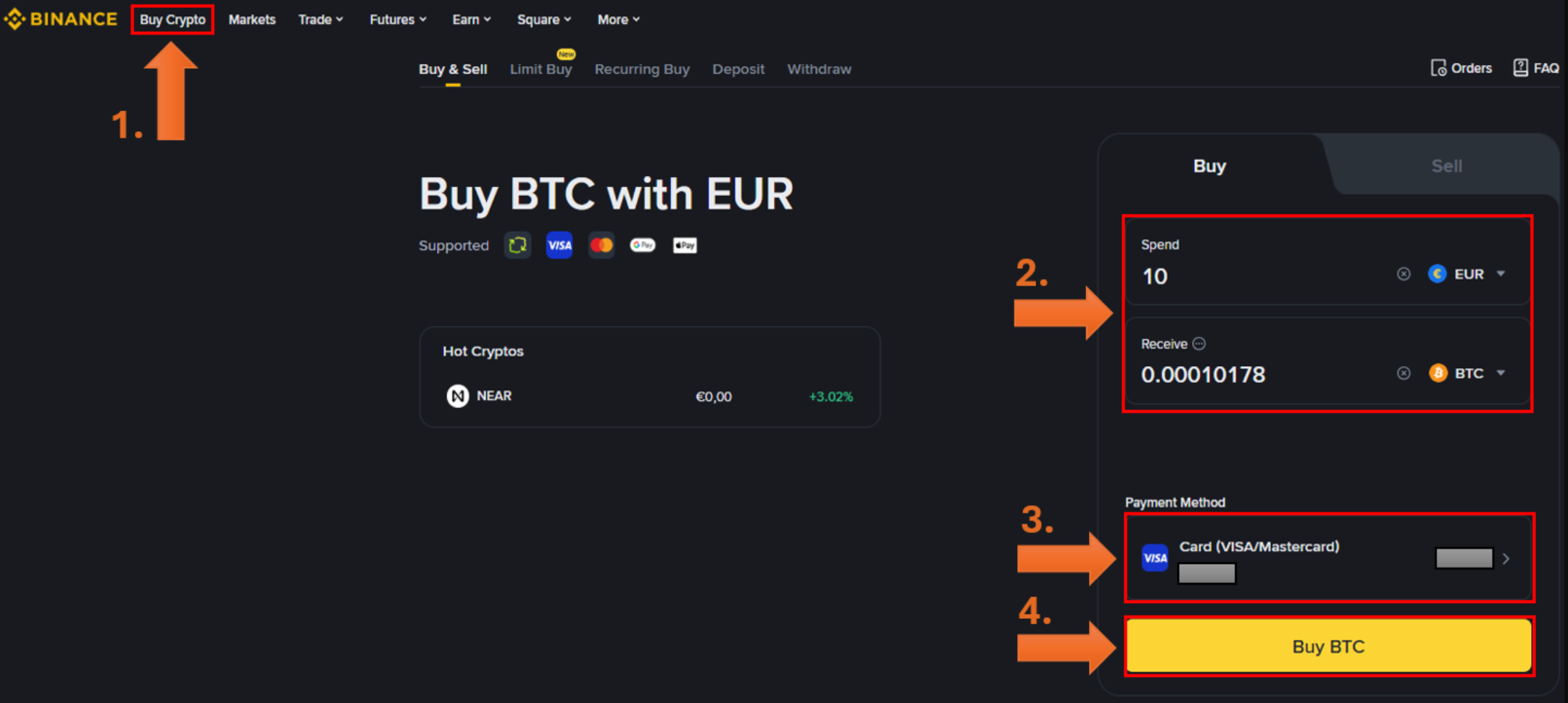
>>> Complete guide how to buy Bitcoin on Binance <<<
For beginners, investing $100 in crypto requires a disciplined approach and careful selection of assets. The first step is to choose a reliable exchange or wallet that supports small transactions and has a strong reputation for security. Popular beginner-friendly platforms often provide educational content and simplified interfaces, which help reduce the learning curve. Once your account is set up, it is advisable to focus on well-established cryptocurrencies such as Bitcoin or Ethereum, which, despite volatility, have historically shown long-term growth potential.

Even with $100, managing risk is crucial. Beginners should define clear objectives—whether learning, long-term growth, or experimental trading—and align strategies accordingly. One effective approach is diversification, spreading the $100 across multiple coins rather than concentrating on a single asset.
Security is equally important. Always use two-factor authentication, withdrawal whitelists, and secure wallets to protect your holdings. Many beginners underestimate the importance of account safety, which is vital in the crypto ecosystem.
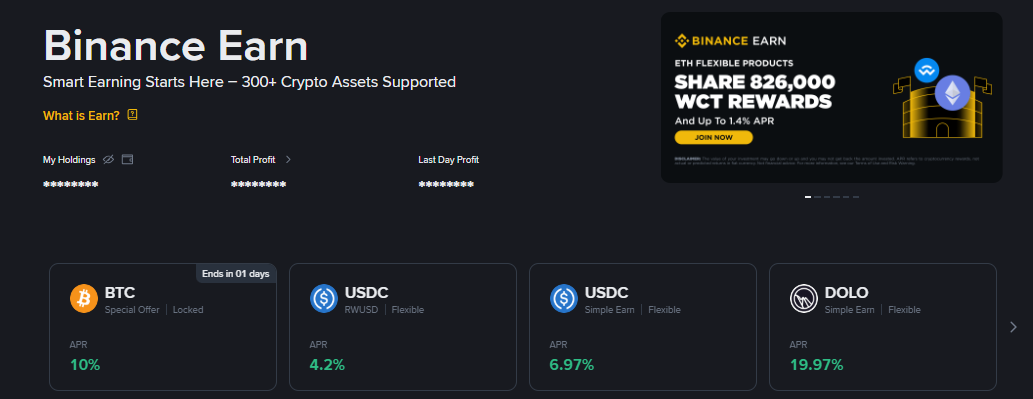
For long-term growth, consider staking or savings programs offered by exchanges. These allow you to earn passive income on crypto holdings, gradually increasing your portfolio without active trading. Combined with consistent investing and ongoing learning, these strategies can amplify your small starting capital over time.
Lastly, continuous education is essential. Platforms like Binance Academy, crypto news sites, and online communities provide insights into blockchain technology, market trends, and trading strategies. Knowledge gained from consistent learning equips beginners to make informed decisions, avoid common mistakes, and build confidence in managing their crypto investments.