27 October 2025
 Share
Share
1


Cryptocurrency has emerged as one of the most talked-about innovations in the financial world, attracting millions of investors, tech enthusiasts, and everyday users globally. Unlike traditional currencies issued by governments and central banks, cryptocurrencies operate as decentralized digital assets secured through advanced cryptographic techniques.
Cryptocurrency allows individuals to transfer value, store wealth, and participate in digital economies without relying on intermediaries like banks. This decentralization is made possible by blockchain technology, which records every transaction in a secure, transparent, and immutable ledger. As of 2025, cryptocurrency is no longer limited to speculative trading. It has evolved into a multifaceted ecosystem encompassing payments, decentralized finance (DeFi), non-fungible tokens (NFTs), and more.
Cryptocurrencies are no longer just an investment tool, they are increasingly used in everyday life. From payments to digital services, they provide practical applications that simplify transactions, enhance security, and offer new opportunities for financial engagement. Understanding these uses helps individuals and businesses integrate digital currencies effectively.

Real-Life Uses of Cryptocurrencies:
Beginners often find the world of cryptocurrency overwhelming due to its complex terminology, rapid market changes, and technological foundations. Terms like wallets, private keys, mining, and staking can initially seem daunting, yet understanding them is crucial for anyone looking to engage safely with digital assets.
Additionally, the cryptocurrency market is highly volatile, meaning prices can fluctuate dramatically in short periods, creating both opportunities and risks for investors. Despite these challenges, cryptocurrency offers unique advantages, such as borderless transactions, financial inclusion for unbanked populations, and the potential for substantial returns.
>>> Complete guide how to buy Bitcoin on Binance <<<
Cryptocurrencies offer a modern alternative to traditional currencies, leveraging blockchain technology and digital innovation to provide unique benefits. Unlike conventional money, they enable faster, more secure transactions, increased financial inclusion, and enhanced transparency. Understanding these advantages helps individuals and businesses appreciate why digital currencies are reshaping the global financial landscape.

Advantages of cryptocurrencies compared to traditional currencies:
At its core, cryptocurrency is a form of digital money that relies on cryptography to secure transactions and control the creation of new units. Unlike traditional currencies, it is not issued by any central authority, meaning it operates independently of government regulations. Each cryptocurrency transaction is recorded on a blockchain, a distributed ledger maintained by a network of computers, known as nodes. This system ensures transparency, reduces the risk of fraud, and eliminates the need for intermediaries such as banks.

Blockchain technology underpins most cryptocurrencies, allowing secure peer-to-peer transactions. Each block contains:
This chaining process ensures data integrity and makes altering past transactions virtually impossible. The decentralized nature of blockchains means that no single entity controls the system, giving users a sense of autonomy and security over their assets.
Different cryptocurrencies operate using various consensus mechanisms to validate transactions.
These mechanisms maintain network security, prevent double-spending, and incentivize participants to act honestly.

Cryptocurrency has transformed from a niche digital curiosity to a mainstream financial asset class. In 2025, investors have access to a wide range of platforms and financial products to engage with crypto markets. Exchanges such as Binance allow users to buy, sell, and trade cryptocurrencies with ease. Meanwhile, decentralized exchanges (DEXs) provide peer-to-peer trading without intermediaries, often with enhanced privacy and security.
Investment in cryptocurrency can take many forms, including:
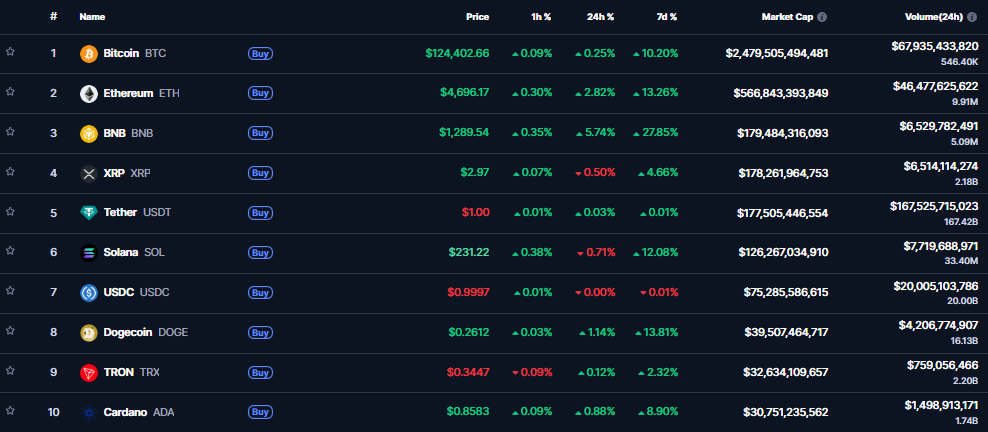
Each strategy comes with distinct risk profiles. HODLing is ideal for those seeking long-term growth, as it relies on market appreciation over time. Trading, on the other hand, requires constant monitoring of market trends and technical analysis to capitalize on price volatility. Staking allows investors to earn rewards by locking up their coins to support network operations, combining investment growth with active network participation.
Risk management is crucial in cryptocurrency investment. The market is highly volatile, and regulatory developments can influence prices dramatically. Investors should diversify holdings, set stop-loss limits, and avoid investing more than they can afford to lose. Understanding market psychology, such as fear and greed cycles, can also improve decision-making. Furthermore, using secure wallets, hardware or software, is essential to protect assets from hacks and scams.
Cryptocurrency investment in 2025 also involves exploring innovative financial products such as crypto ETFs, tokenized assets, and decentralized finance protocols. These products offer new opportunities for diversification, passive income, and exposure to emerging technologies. Beginners should start with small, manageable investments while gradually expanding their portfolio as knowledge and confidence grow.
Get 100 $ bonus on Binance right now
Starting your cryptocurrency journey on Binance is one of the easiest and safest ways to enter the digital asset world. Binance offers a user-friendly platform where beginners can buy, trade, and manage cryptocurrencies with minimal effort. Its extensive educational resources, secure environment, and global accessibility make it ideal for new investors. With low fees, multiple payment options, and a wide selection of coins, Binance helps users confidently explore the crypto market and grow their portfolios step by step.

Advantages of Binance: