20 June 2025
 Share
Share
1

Trading on cryptocurrency exchanges enjoys great interest. Most traders prefer platforms with high liquidity. Binance exchange has the highest liquidity, where you have all cryptocurrency products together. Among them is futures contract trading.
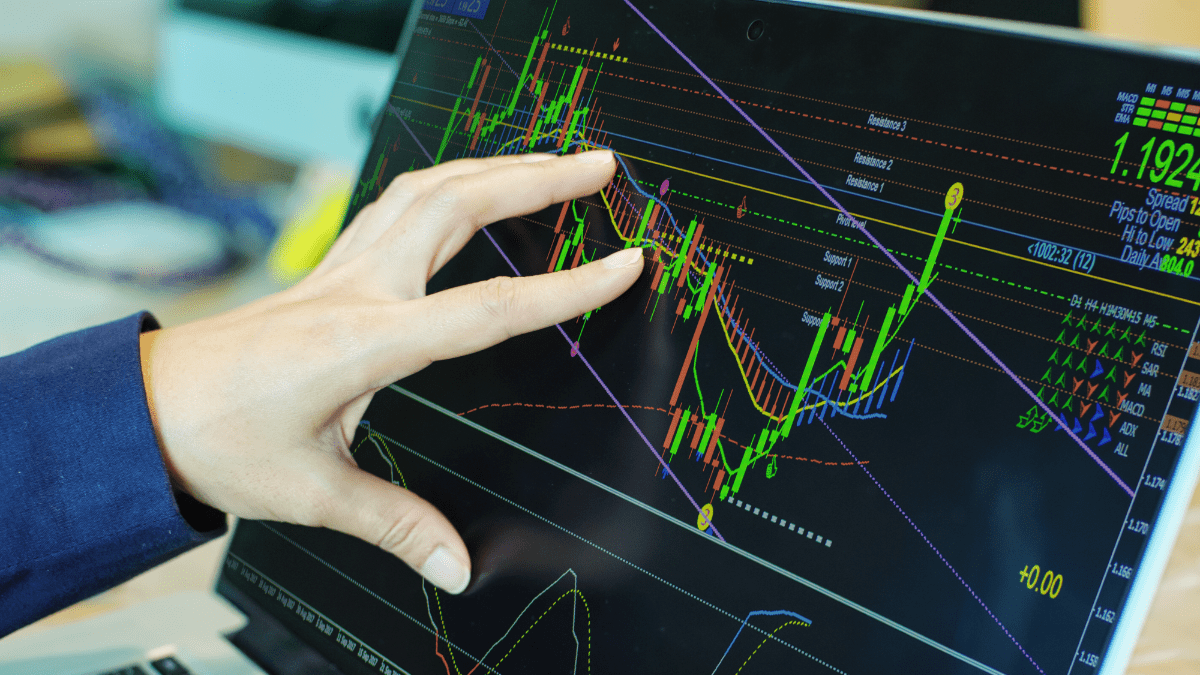
While spot trading represents buying and selling assets at market price, futures are contracts concluded between two parties about the obligation to sell or buy an asset at a specific time in the future at a price determined today. On a futures exchange, you don’t realize buying and selling, but place bets on growth (long position) and bets on decline (short position).
The futures exchange is often called derivative: you trade derivative contracts on it, which allow traders to “speculate” about the future price of an asset without expiration date. The advantage of futures is mainly their high liquidity; they are very popular and traders usually have no problem finding a partner to close a trade.
High Liquidity
Easy order matching
Price Speculation
Long and short positions
Leverage Trading
Amplify your positions
No Expiration
Perpetual contracts available
In this article, we will focus on Binance futures exchange. After the review and guide to Binance futures, you will have an overview of how to close a trade and how to navigate the trading platform.
First, you must register on Binance exchange and verify your account through KYC process (Know Your Customer) by importing personal documents. Then deposit money to the exchange. You can find the Futures section in the main menu.
Registration
Create Binance account
KYC Verification
Upload identity documents
Deposit Funds
Add money to exchange
Access Futures
Navigate to Futures section
After logging into Binance exchange, you first need to transfer capital from the spot wallet to the futures wallet. Financial resources for futures are separated separately. You can transfer both fiat currency and cryptocurrency. Just go to Assets → Futures → Transfer section.
Now everything is ready to start trading on Binance futures exchange. The trading platform offers several types of futures contracts. Besides traditional futures contracts we defined, you can also trade:
In this section, we’ll show you how to place trades on Binance futures exchange. The process is simple and everyone will understand it immediately. Let’s do it!
Header
Navigation & Account
Price Chart
TradingView Integration
Order Book
Buy/Sell Orders
Order Entry
Place Your Trades
Positions
Open & Closed Orders
First, we’ll select a contract for trading. In our example, we’ll choose the BTCUSDT perpetual contract.
Now you get to the trading platform section where you’ll place trading orders. We’ll divide the platform into basic sections:
Futures trading often uses financial leverage, also called margin. In the previous procedure, we showed where to find this section when placing a trading order. On Binance, you have two basic leverage options.
Besides choosing the type of leverage, you can also select the leverage amount. Binance offers maximum financial leverage of 125x, but only for some pairs, such as perpetual futures contracts ETHUSDC, ETHUSDT, BTCUSDC, and BTCUSDT.
Remember that trading with high margin is risky. The higher leverage you use, the closer to market price a liquidation price occurs, which will cancel your trade. Let’s explain with an example.
If you decide to trade futures, you’ll definitely be interested in the fee structure. You can view fees not only for regular users but also for all VIP levels. You can also filter by futures type.
In conclusion, we can evaluate that trading on Binance futures exchange is user-friendly and simple. Even though it might seem complicated at first, it won’t take long to get used to. For this reason, even beginners can use futures trading (ideally without using financial leverage – if you do decide on margin, we recommend using the smallest one). Binance finally rates as the best choice for derivatives market trading.