10 December 2025
 Share
Share
1


Binance has rapidly become one of the most popular cryptocurrency exchanges globally, offering a wide range of tools for both beginner and experienced traders. Among these tools, Binance demo trading stands out as an essential resource for newcomers who want to practice trading without risking real money. Demo trading provides a simulated trading environment that mirrors real market conditions, allowing users to gain practical experience, test strategies, and build confidence before moving to live trading. For anyone stepping into the world of cryptocurrencies, understanding how to effectively use Binance’s demo trading platform can be a game-changer.
One of the key advantages of using Binance demo trading is its accessibility. Users do not need to deposit real funds or worry about losses while experimenting with different trading techniques. The platform provides virtual funds, realistic market data, and the same interface as the live trading environment, creating a seamless transition once the trader feels ready. By practicing on the demo account, traders can familiarize themselves with features such as market and limit orders, stop-loss tools, and charting options without the stress of financial consequences.
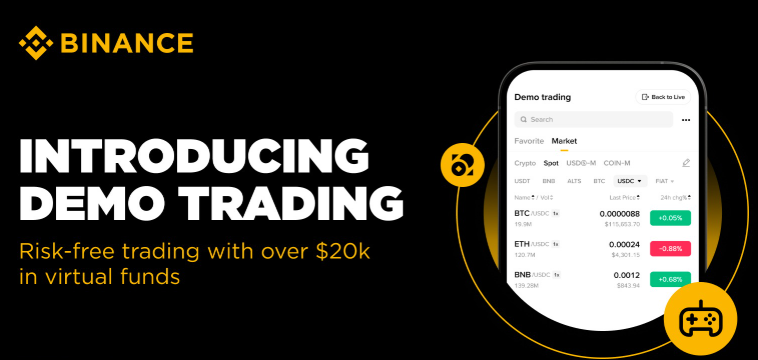
Additionally, demo trading helps users learn to manage emotions, which are often the most challenging aspect of trading. By simulating real trading scenarios, traders can experience how markets react to various strategies, recognize mistakes, and adjust their approaches in a risk-free setting. Binance also offers educational resources alongside its demo platform, giving users step by step guidance, tips, and tutorials to enhance their learning experience. Ultimately, for anyone serious about developing a solid trading foundation, Binance demo trading is an indispensable starting point that bridges the gap between theory and practical application.
Get 100 $ bonus on Binance right now
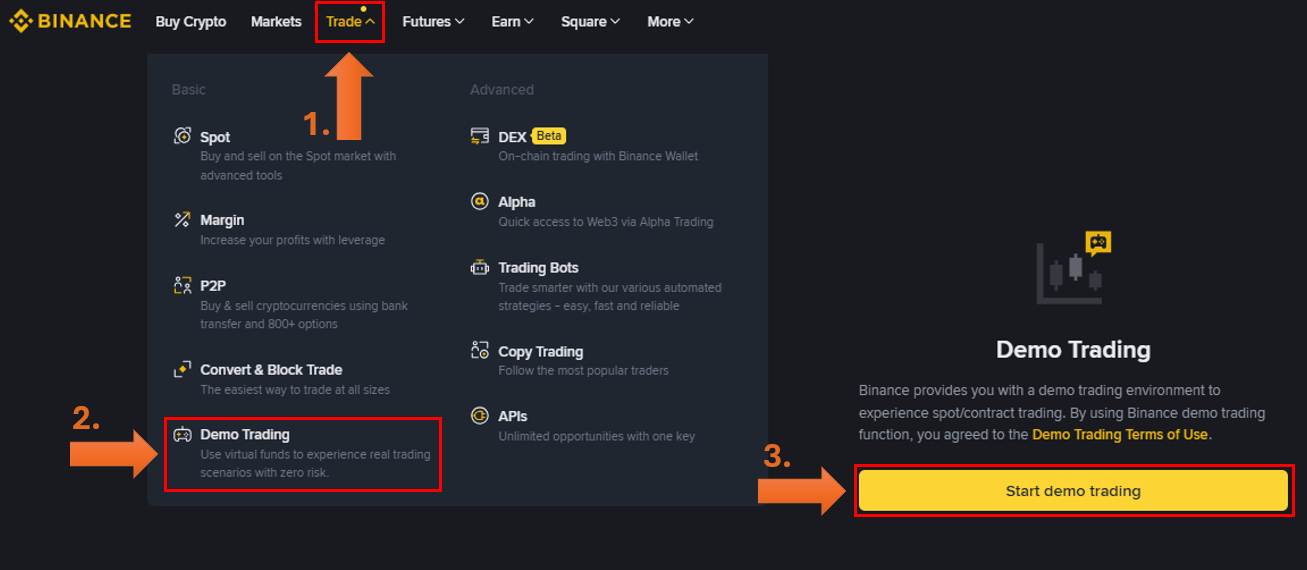
Using Binance demo trading allows users to practice cryptocurrency trading without risking real funds. To start, click Start Demo Trading. If you don’t have a Binance account yet, you must create one first. Once logged in, the platform provides a simulated environment with virtual funds, enabling users to explore both spot and futures trading products safely.
The platform is intuitive and mirrors most of the live trading experience. Users can explore different pages to navigate the demo trading environment, test strategies, and learn key trading concepts.
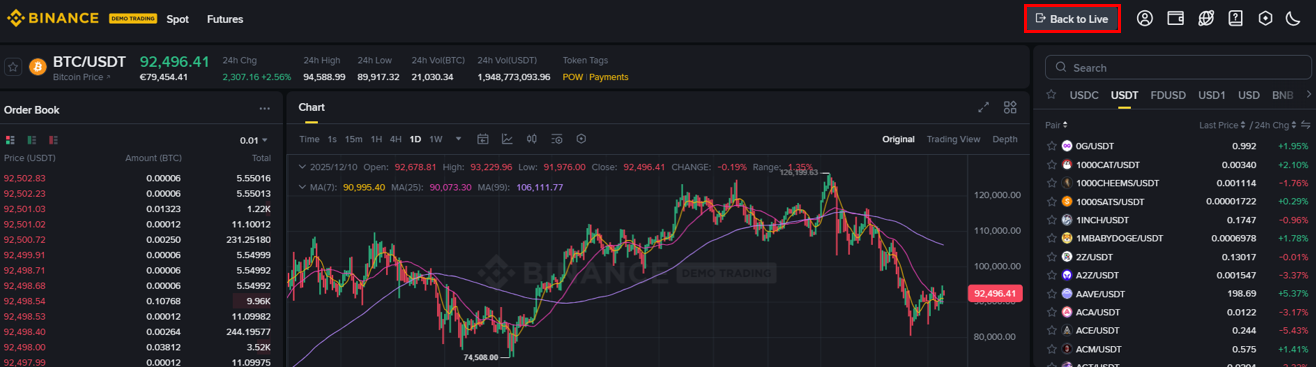
Only a Binance account is required to access demo trading. Users without KYC or a futures account can still practice, though access may depend on region. Binance demo trading can also be accessed via API for strategy testing. While it closely mirrors live trading, minor differences in chart data, order execution, and pricing may exist.
Creating a Binance demo account is straightforward and quick. The first step is to register on Binance, if you haven’t already. Once registered, navigate to the Binance demo trading section. The platform provides virtual funds automatically, giving you an initial balance to begin trading immediately. This balance can be adjusted depending on the testing needs, which is particularly useful for simulating different market conditions.
The demo environment mirrors the live platform’s layout, which is beneficial for learning order placement, reading charts, and understanding portfolio management. Users can practice using multiple order types, such as market orders, limit orders, and stop-limit orders. Each type of order has its use depending on the trading strategy, and practicing these in a demo environment ensures that users are prepared for real trading scenarios. Additionally, the demo account allows users to test leverage, giving insight into risk management and potential profits or losses.
Using Binance demo trading effectively requires more than just placing random trades. Strategy testing is one of the main benefits. Traders should start by creating a simple strategy, such as a trend-following or range-trading approach, and then test it under different market conditions. By analyzing results over time, users can identify patterns, strengths, and weaknesses in their strategies. This iterative learning process is critical for improving trading skills without financial consequences.
Another important tip is simulating real trading discipline. Many traders make the mistake of being overly aggressive in demo accounts because there is no real financial risk. However, treating virtual funds as if they were real money helps develop responsible habits and emotional control. Tracking trades in a trading journal, noting reasons for entering and exiting positions, and reviewing mistakes are all practices that make demo trading more productive.
Learning risk management is essential. Even in demo trading, it’s important to practice position sizing, setting stop-losses, and calculating potential gains and losses. These habits translate directly to live trading, where financial stakes are real. By mastering risk management in a demo environment, traders are better prepared to handle live market fluctuations without panic.
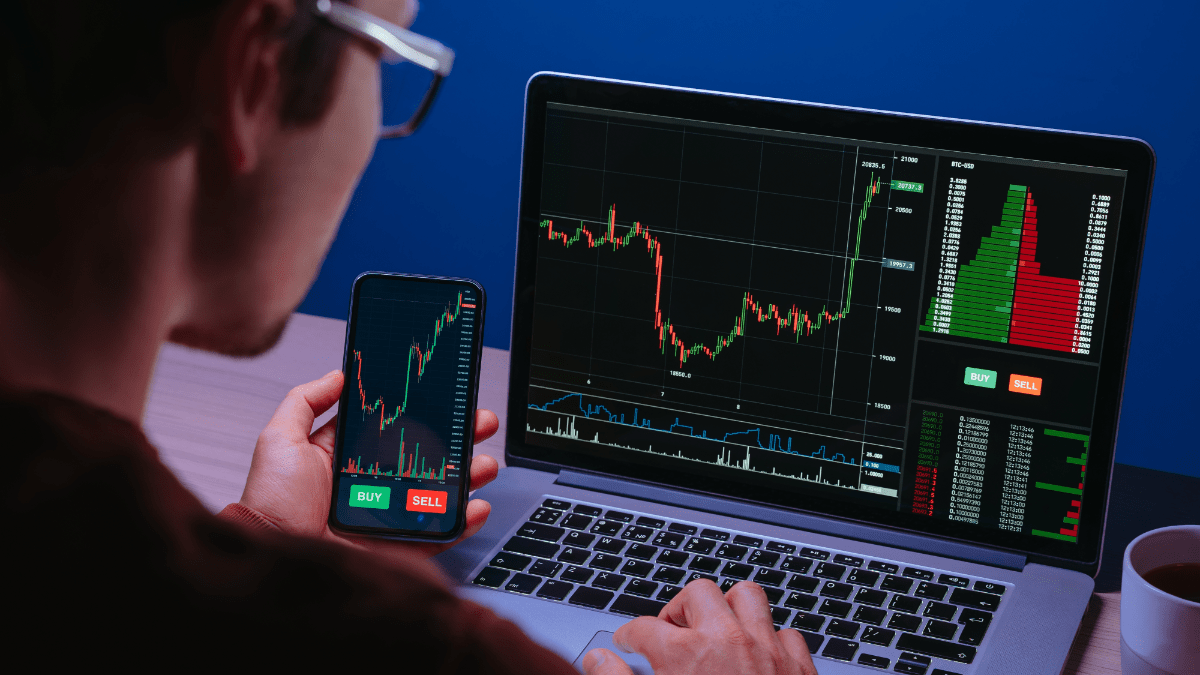
Additionally, Binance offers educational resources integrated with the demo platform. Tutorials, webinars, and community forums allow users to gain deeper insights into trading strategies, platform features, and market analysis. Engaging with these resources while practicing in the demo account accelerates learning and provides a structured approach to developing trading proficiency.
Binance demo trading offers beginners and intermediate traders a safe environment to develop skills, test strategies, and explore platform features without risking real money. It mirrors real market conditions, helping users understand trading mechanics, build confidence, and refine techniques. The demo mode reduces stress and supports disciplined, structured learning before transitioning to live trading.