16 August 2025
 Share
Share
1


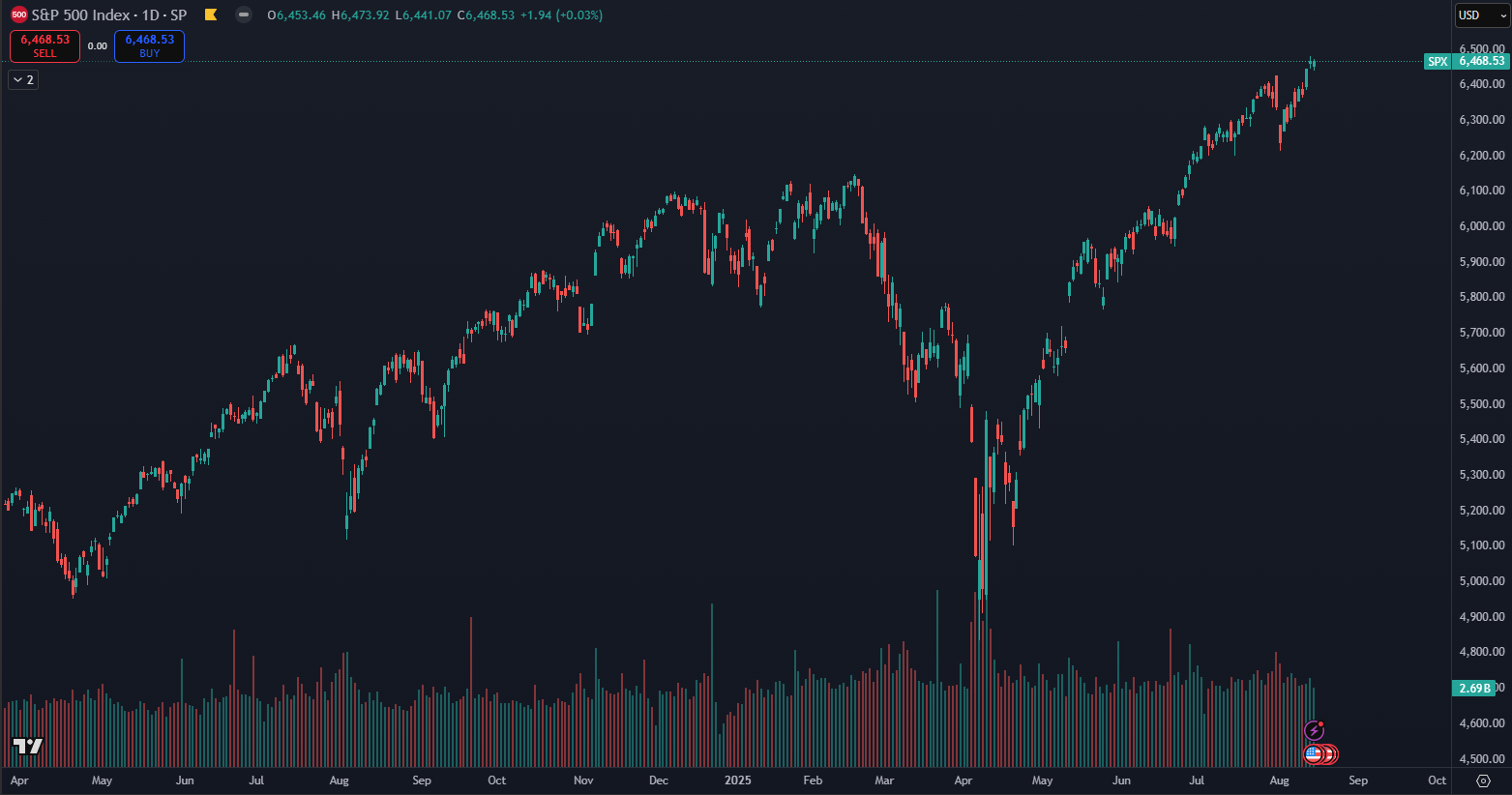
Stocks continued to rise after TradingView data showed that U.S. indexes reached all-time highs. The boost came from new inflation data, which showed slight improvement in July, raising expectations that the Federal Reserve (Fed) might cut interest rates at its September meeting.
European markets also traded positively – Germany’s DAX rose 4.16% over the past two weeks to 24,367 points, France’s CAC 40 added 4.42% to 7,862 points, and the UK’s FTSE 100 increased slightly by 2.13% to 9,218 points. In the U.S., the S&P 500 rose 4.03% to 6,468 points and the Nasdaq gained 5.19% to 23,832 points, with many indexes reaching new records.
Asian markets followed the positive trend. Japan’s Nikkei 225 rose 7.58% over two weeks to 42,810 points, and Hong Kong’s Hang Seng added 3.03%. Investors were encouraged by the extended 90-day trade pause between the U.S. and China, which reduced risks for exporters, according to a Euronews report.
XTB offers free ETF funds and stocks up to 100,000€
Expectations for Fed rate cuts are supported by July inflation at 2.7%, below the anticipated 2.8%, according to TradingEconomics. Lower rates could stimulate investments and make it easier for households and businesses to access credit. Former President Donald Trump has repeatedly pushed the Fed to act faster, although the central bank remains cautious due to potential inflationary risks linked to tariffs.
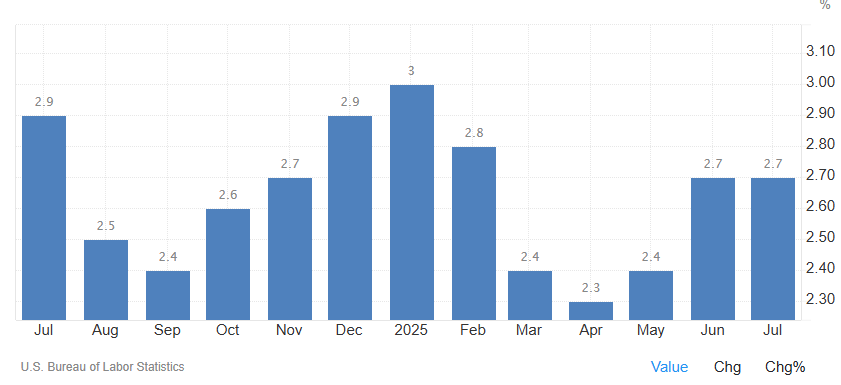
When inflation stagnates, central banks have room to ease monetary policy. In the U.S., rates have remained unchanged at 4.25–4.50% since December 2024. If inflation stays below expectations for an extended period, the Fed could support economic growth and investment activity by cutting rates.
The U.S.-China trade deal is still not finalized, but the extended truce has eased supply chain pressures in Asia. Markets in South Korea, Australia, Taiwan, and Thailand also reacted positively, where the central bank cut the key rate to 1.5%.
Stock markets are currently benefiting from a combination of favorable macroeconomic data, political compromises, and expected monetary stimulus, creating a positive environment for continued growth.
Investing in stocks is now accessible to everyday people. The XTB platform offers easy navigation, low fees, and access to thousands of stocks worldwide. It is suitable for both beginners and experienced investors seeking convenient and transparent trading.