05 December 2025
 Share
Share
1

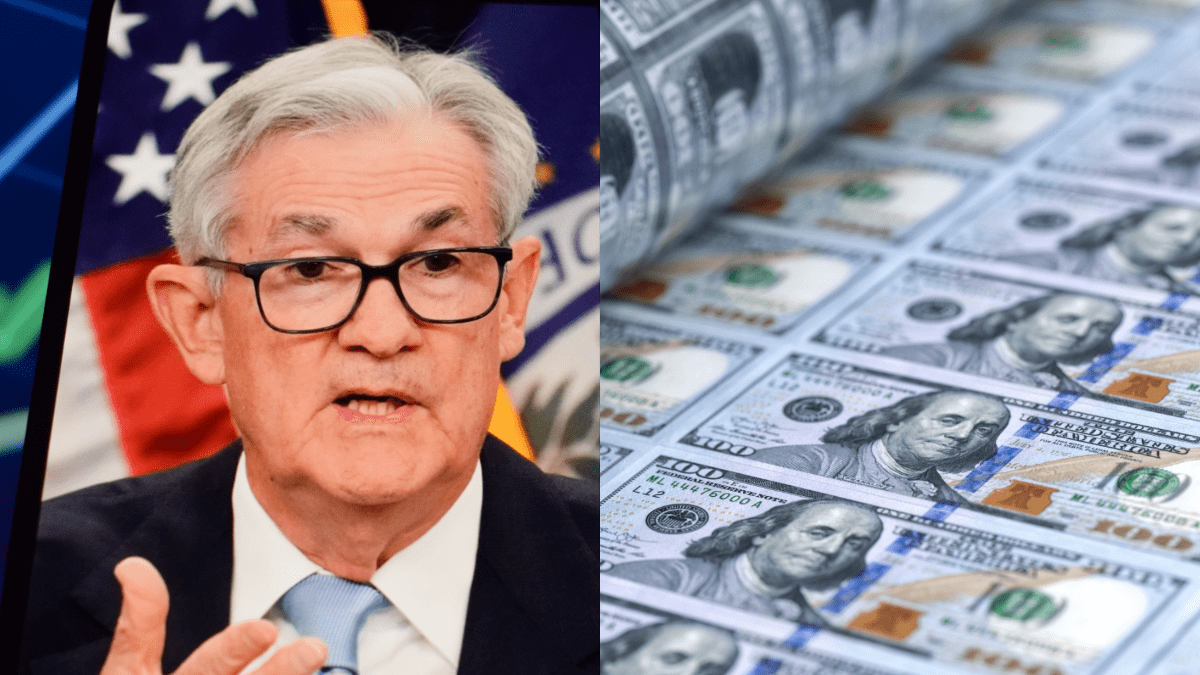
The FED has ended its quantitative tightening program, injecting $13.5 billion into the U.S. banking system through repo operations, according to Finbold. This amount represents the second-largest liquidity injection since the Covid-19 pandemic and even surpasses levels seen during the Dotcom bubble.
The termination means that liquidity will no longer be withdrawn from the market, which could significantly impact riskier assets such as stocks and cryptocurrencies. According to analysts, this step could provide significant support to the markets. Tom Lee from Fundstrat notes that the combination of ending quantitative tightening and the expected FED rate cut in December represents a strong boost for investments in risk assets.
“I believe the biggest positive effect to appear in the coming weeks is related to the central bank. FED is ready to cut rates and is simultaneously ending quantitative tightening today,” Lee said in an interview with CNBC.
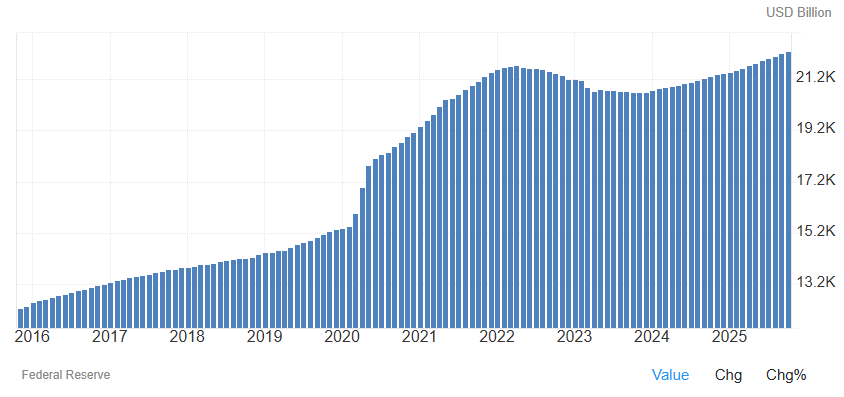
The M2 money supply in the U.S. reached $22,298.10 billion in October 2025. This increase points to a continued expansion of liquidity in the economy. Historically, M2 grew from a record low of $286.60 billion in January 1959 and averaged $5,635.97 billion. The current level represents an all-time high and reflects the growing amount of money in circulation, which can affect inflation and the investment market, according to TradingEconomics.
Register on Binance and get 100 $ bonus
According to Lee, the released liquidity could support the flow of capital into riskier assets, including Bitcoin. Historically, higher liquidity availability often correlates with the growth of these markets. Lee even predicts the possibility of a new all-time high for Bitcoin by the end of January.
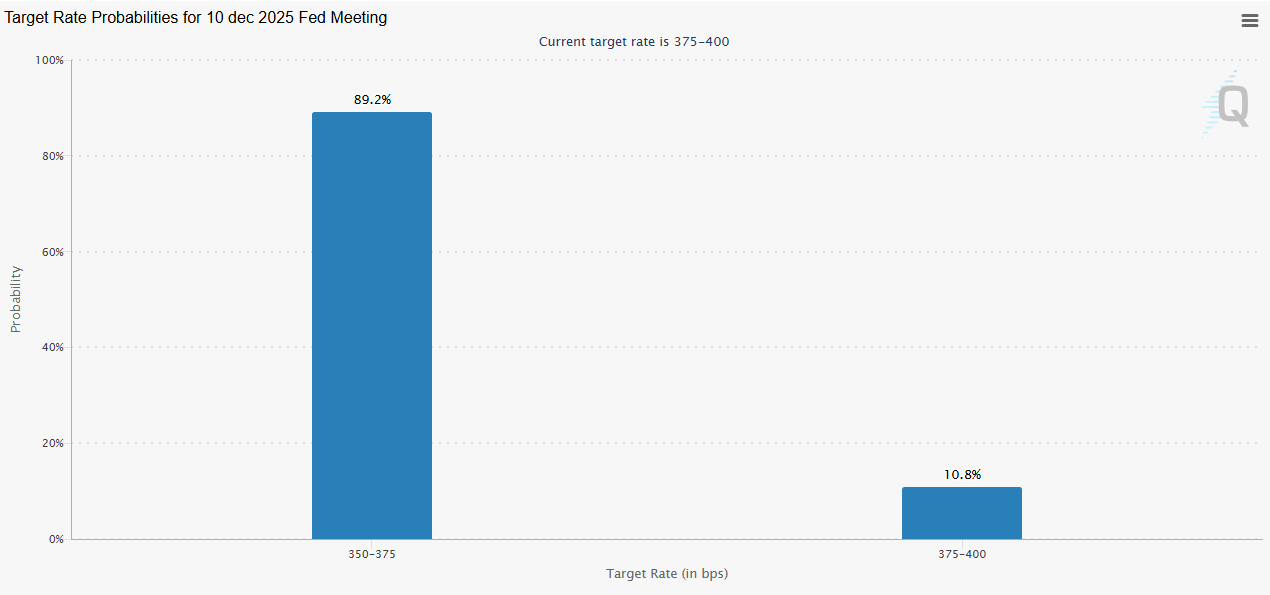
Regarding the S&P 500 index, Lee estimates values of 7,200 to 7,300 points during December. All attention is focused on the December FOMC meeting, where clear guidance on future interest rate cuts is expected. If the FED decides to cut rates, it could further boost markets and increase investor appetite for risk assets. According to the CME Group, 89.2% of investors expect a 25-basis-point reduction.
The combination of ending quantitative easing, potential rate cuts, and historically positive market reactions to similar events could create favorable conditions for the growth of stocks and cryptocurrencies in the coming weeks. Investors are closely monitoring market reactions and the flow of capital into risk assets.